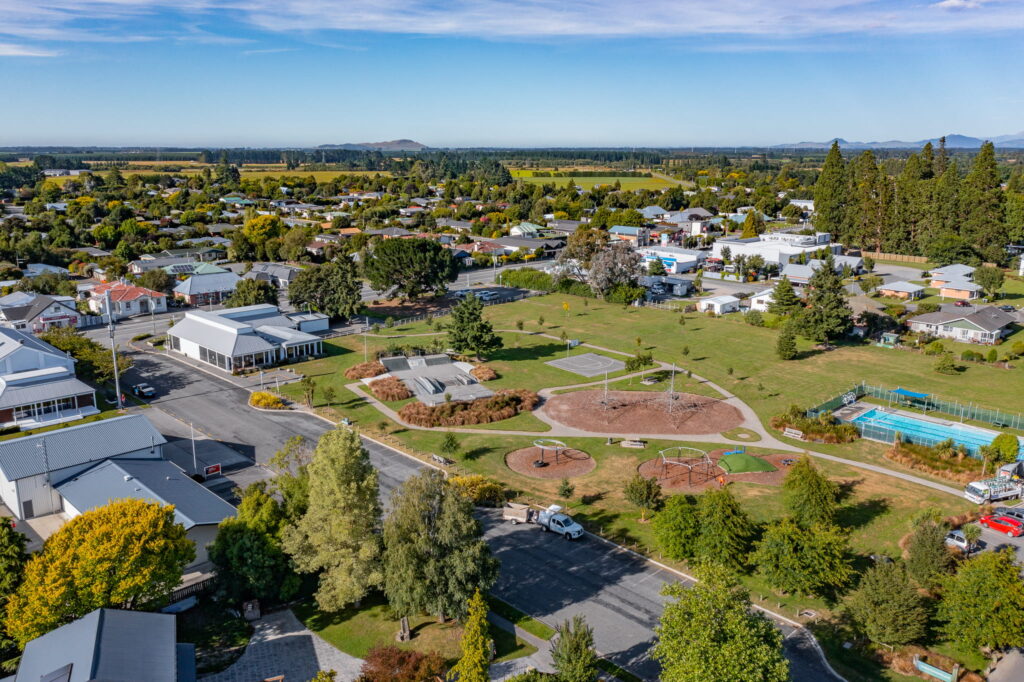
Did You Know? Oxford Was Once a Major Timber Town!
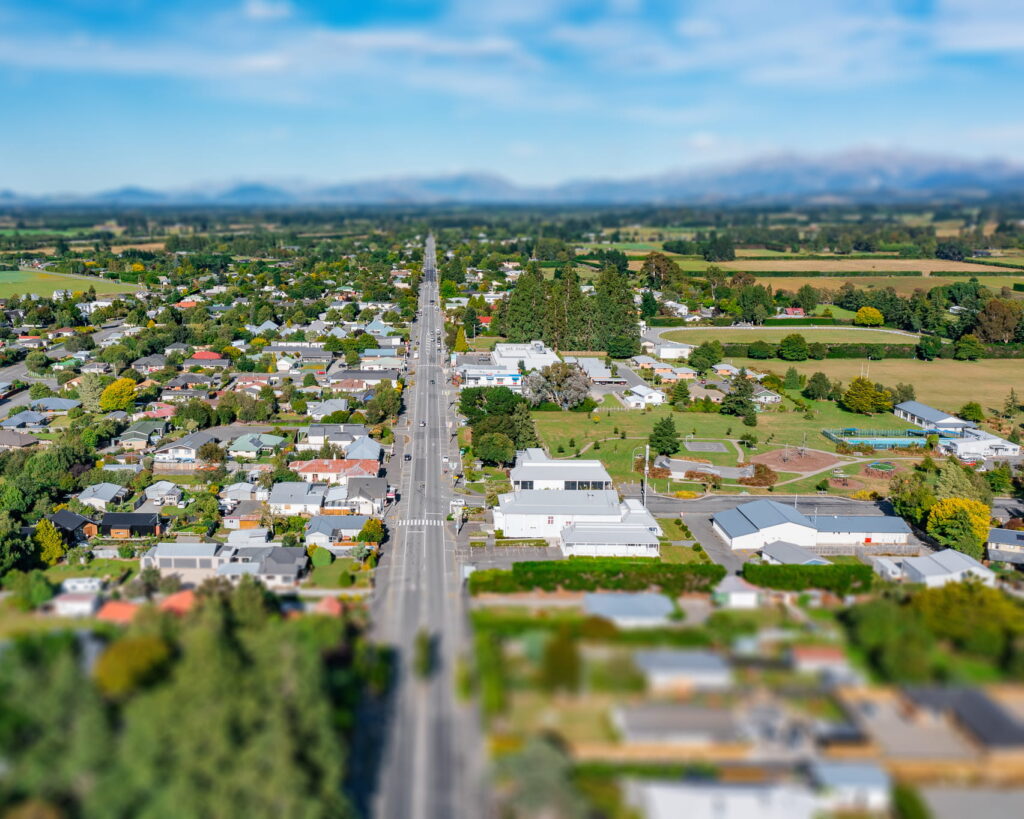
Today, Oxford is known for its rural charm, cafés, local businesses and beautiful surroundings. But more than 150 years ago, this North Canterbury township was a busy centre for timber production.
From its 11 sawmills to a railway built to transport timber, Oxford has a fascinating history that helped shape the town we know today.
Here are five interesting facts about Oxford you might not know.
1. Oxford once had 11 sawmills!
Oxford’s early development was closely connected to the extensive native forests that once covered the surrounding foothills.
European settlement began in the 1850s, with timber milling becoming one of the area’s most important industries.
The first steam-powered sawmill began operating in 1860, and by the mid-1870s, 11 sawmills were operating throughout the Oxford district.
These mills processed timber from the surrounding forests, helping supply building materials for growing settlements across Canterbury.
Before the railway arrived, timber was transported by horse and bullock teams, making the journey to markets such as Rangiora and Christchurch a slow and difficult process.
2. Oxford had its own railway line
Timber was so important to Oxford’s economy that a railway was constructed to help transport it.
The Rangiora to Oxford railway officially opened on 21 June 1875, connecting the township with the wider Canterbury rail network.
Here’s an interesting little story from opening day.
Due to a communication mix-up, the first train arrived at West Oxford station, only to discover the official celebrations were being held at East Oxford station, which the train had already passed!
The railway helped the timber industry expand and provided an important transport connection for local residents, farmers and businesses.
3. A devastating fire changed Oxford forever
One of the biggest events in Oxford’s history occurred in January 1898.
Two major bushfires, driven by strong nor’westerly winds, swept through the surrounding forests.
The fires destroyed large areas of native bush, sawmills and homes, with the Oxford Museum recording the loss of 26 houses.
The destruction had a major impact on the local timber industry, forcing many workers to find employment elsewhere.
Although timber milling continued for several more years, the last mill of that era closed in 1912.
Oxford gradually transitioned from a timber town into a rural service centre supporting the surrounding farming communities.
4. The forests were important long before the sawmills
Oxford’s history extends well beyond European settlement.
The surrounding forests and foothills were important to Ngāi Tūāhuriri, who travelled into the area from Kaiapoi Pā to gather food and other natural resources.
The forests once contained extensive stands of native beech and podocarp trees, including rimu, mataī, tōtara and kahikatea.
The name Tawera is also associated with the wider Oxford area and refers to the hot nor’westerly winds that are a familiar part of Canterbury’s climate.
Today, parts of the original forest remain protected within the Oxford Forest Conservation Area.
5. You can still explore Oxford’s history today
While Oxford has changed significantly since its timber milling days, there are still plenty of ways to explore its past.
Oxford Museum
Located at 70 Main Street, the Oxford Museum features displays and collections covering the area’s sawmilling industry, farming history and early settlement.
It’s a great place to discover historical photographs, artefacts and stories from the district.
Oxford Forest Conservation Area
The surrounding forest offers walking tracks and opportunities to experience some of the native bush that once covered much of the region.
One popular option is the Coopers Creek to Ryde Falls Track, where visitors can explore native forest and learn more about the area’s sawmilling history.
Oxford township
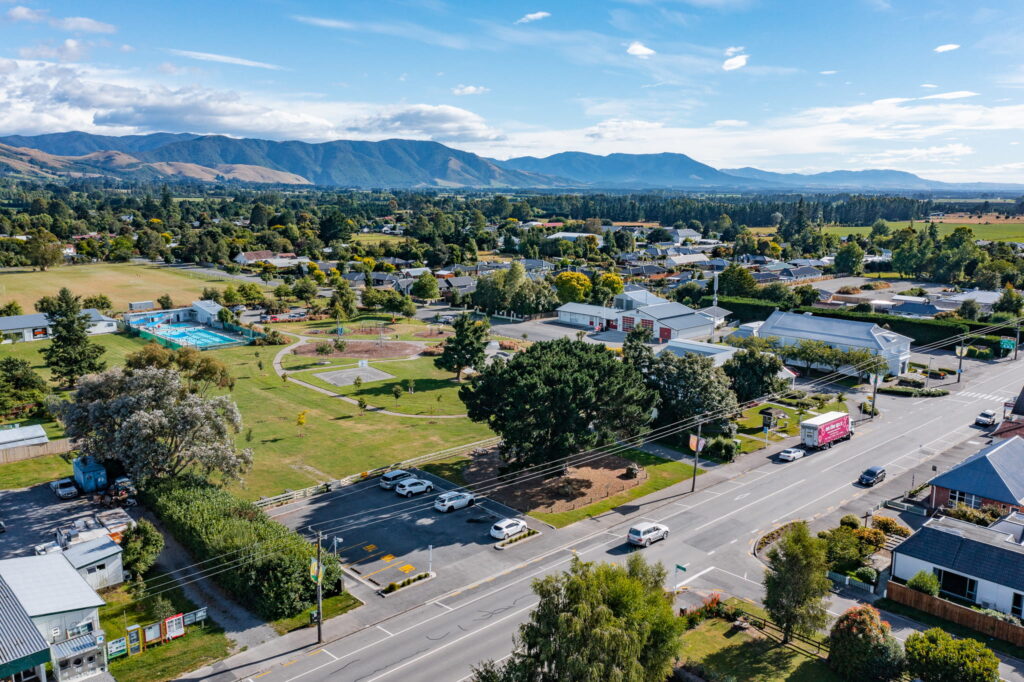
Today, Oxford remains a popular destination for locals and visitors, with cafés, shops, galleries and local businesses contributing to the town’s character.
It’s a great example of how a North Canterbury township has continued to adapt and evolve over generations.
Do you have a connection to Oxford’s timber history?
Perhaps your family worked in the sawmills, travelled on the old railway or has photographs of Oxford from years gone by.
We’d love to hear your stories and memories of the area.
Sharing these pieces of local history helps preserve them for future generations.
Discover more of North Canterbury
📍 Own a North Canterbury business?
Get discovered by more locals! Rangiora.com is a local business directory helping connect people with businesses and services throughout Rangiora, Kaiapoi, Woodend, Oxford, Amberley and the wider North Canterbury region.
List your business today at www.rangiora.com.